
How Aluminium Ute Trays Are Built, Brisbane Fabrication CCOR
Inside the Fabrication Process
When it comes to choosing a tray for your ute, most people focus on the finished product. How it looks, what it costs, and how quickly it can be installed.
What often gets overlooked is how that tray is actually built.
At Custom Concepts Off Road (CCOR), our aluminium ute trays are designed and fabricated in-house using proven processes that prioritise strength, longevity, and real-world usability. Whether the tray is for trade work, fleet use, or touring setups, the build process plays a major role in how it performs over time.
Here’s a step-by-step look at how our aluminium trays are fabricated.
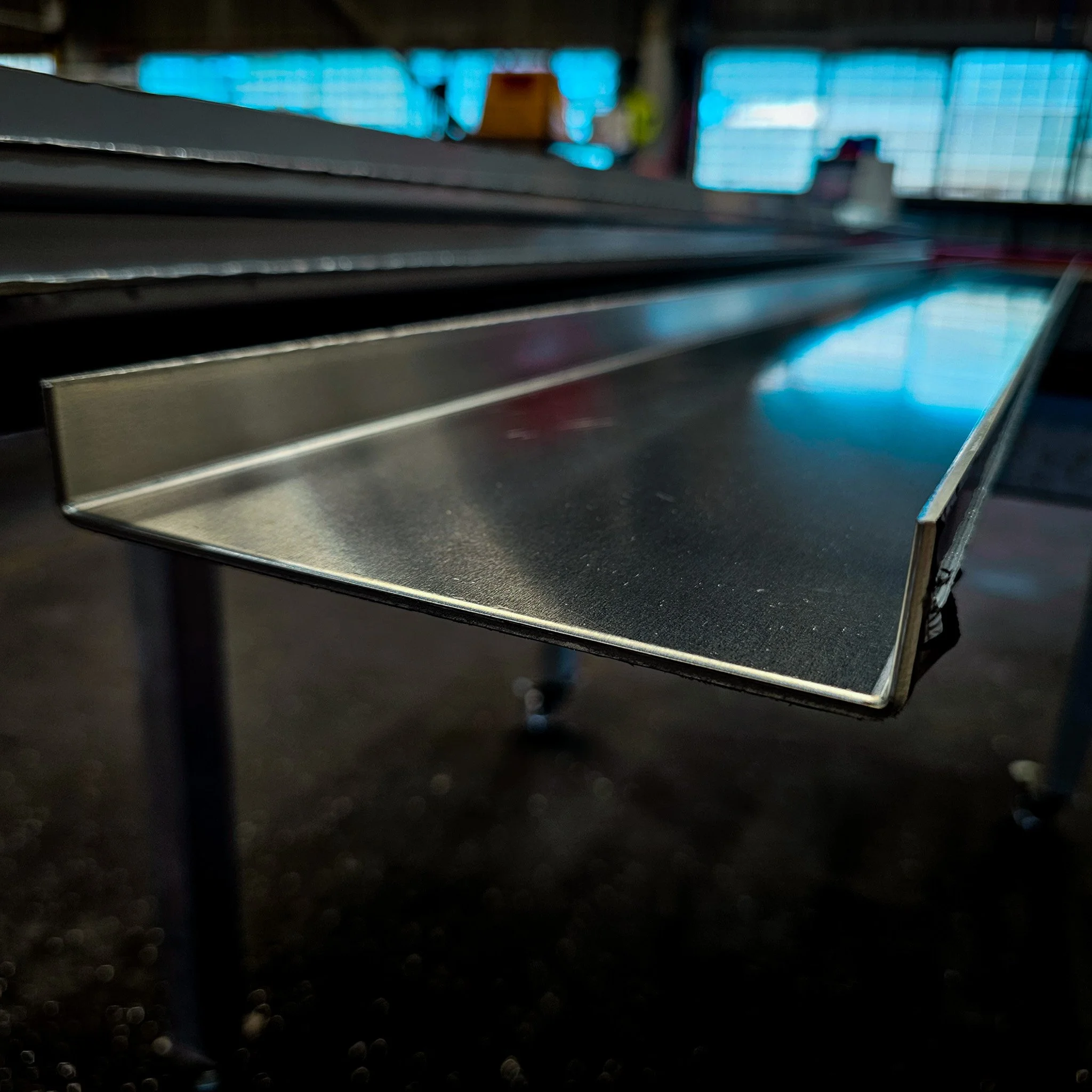
1. Material Selection, Why Aluminium Matters
Every CCOR tray starts with carefully selected aluminium materials.
We exclusively build with aluminium because it offers:
Excellent strength-to-weight ratio
Natural corrosion resistance (ideal for Australian conditions)
Reduced vehicle load compared to steel
Different sections of the tray use different profiles depending on their role. Structural supports, flooring, and reinforcement areas are all considered individually.
This ensures every aluminium ute tray we build is suited to its intended use, whether that’s daily trade work or off-road touring.
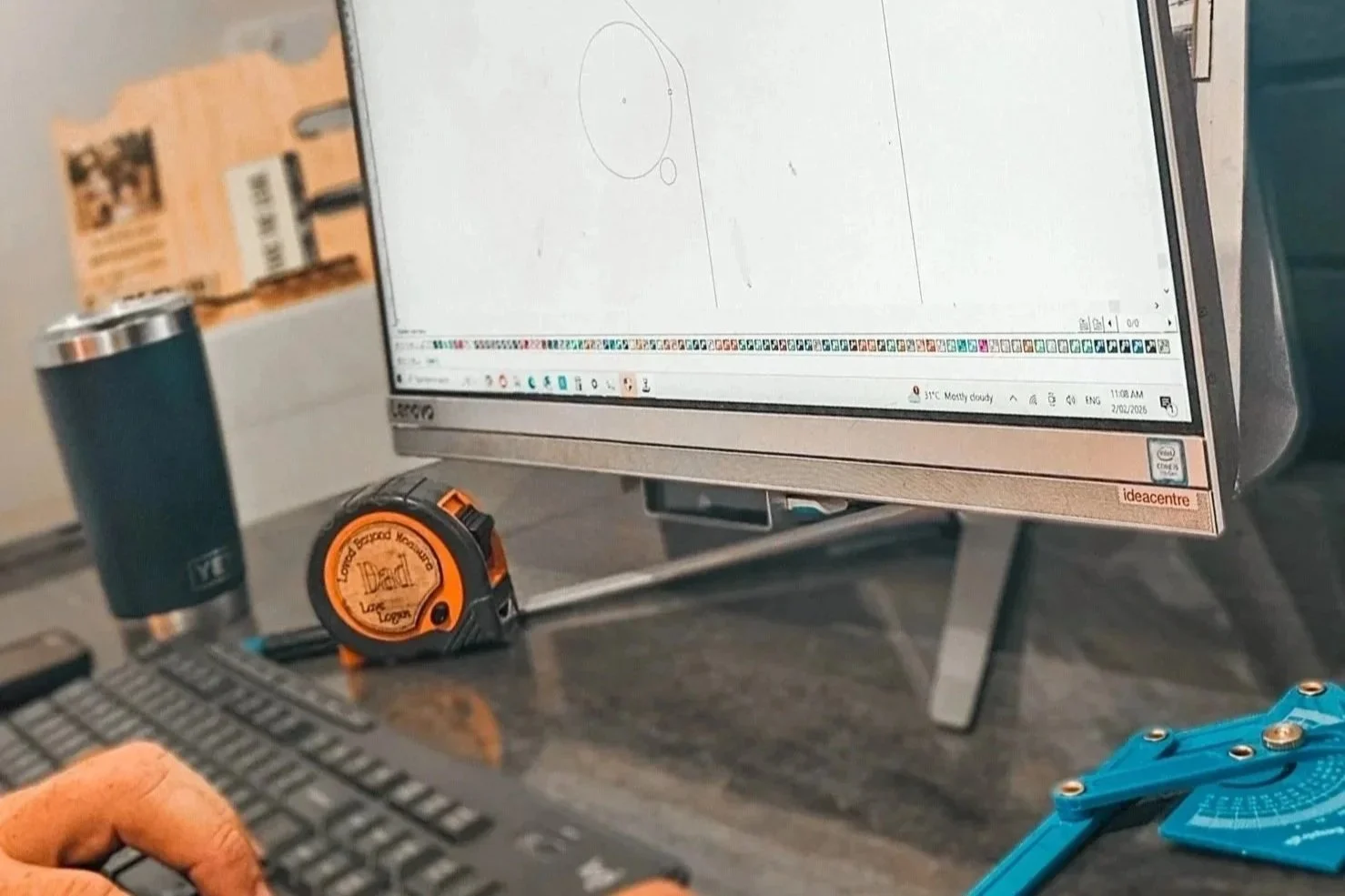
2. Precision Cutting & Preparation
Once materials are selected, fabrication begins with accurate cutting and preparation.
All components are cut in-house to ensure:
Consistent sizing and fitment
Clean joins for welding
Minimal material distortion
This stage includes profiling, notching, and edge preparation, all of which directly impact the final strength and finish of the tray.
Poor preparation leads to poor results, which is why this stage is critical in any quality aluminium tray build.
3. Folding & Forming Structural Components
Key structural components are shaped using hydraulic folding equipment.
This allows us to create:
Strong side rails and headboards
Folded edges for added rigidity
Clean, consistent bends across multiple components
Folding strengthens the tray without increasing weight, a major advantage when building aluminium trays for utes that need to balance payload and performance.
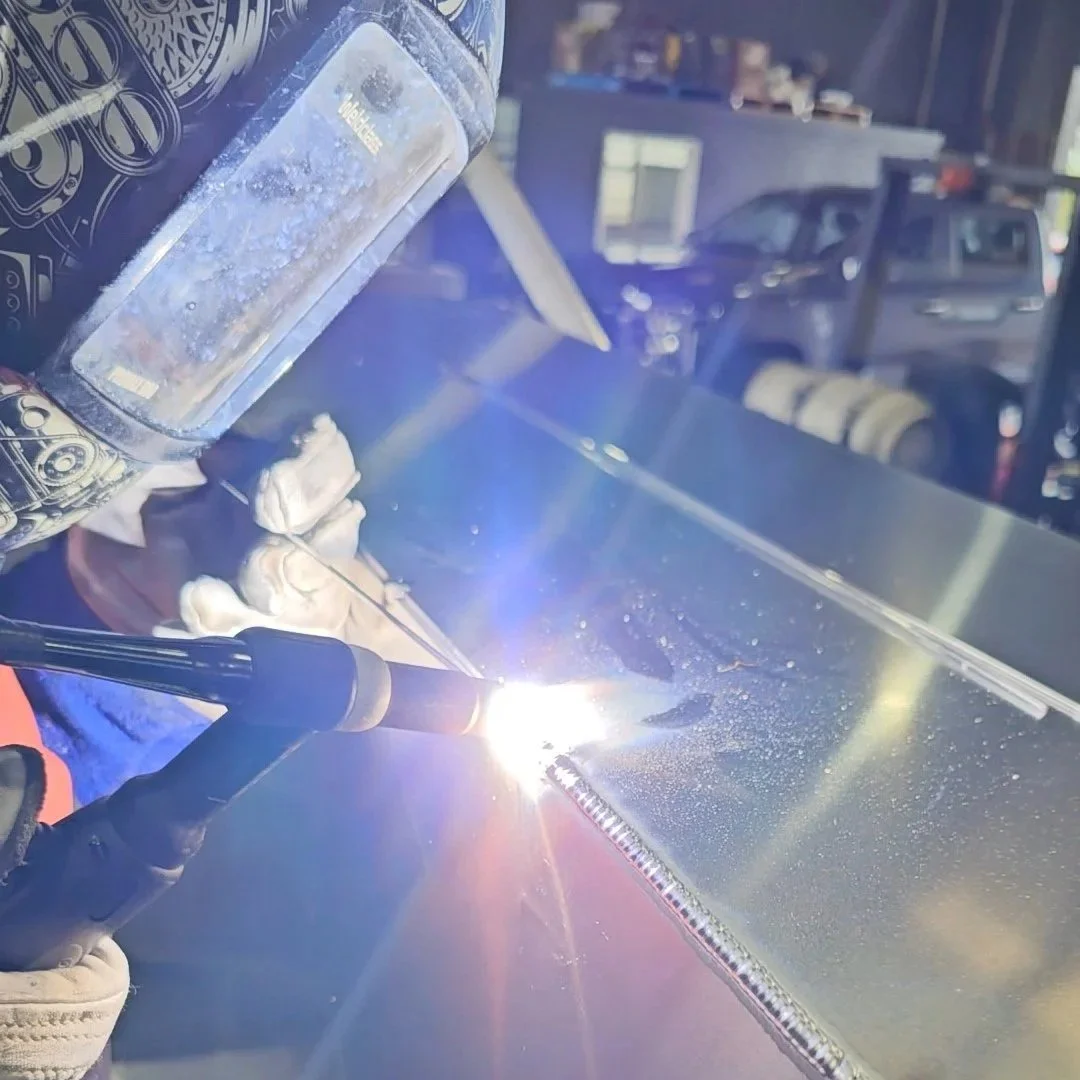
4. Assembly & Welding
At this stage, the tray is assembled and fully welded.
We focus on:
Structural integrity across all joins
Consistent weld quality
Accurate alignment of all components
Unlike mass-produced trays, our builds are not rushed through production lines. Each tray is carefully assembled to ensure it holds up under real working conditions, from job sites to off-road use.
Strong welds are essential to the longevity of any aluminium tray, especially in high-stress areas.
5. Functional Fitment & Practical Features
Before finishing, trays are fitted with the features that make them practical for everyday use.
Depending on the setup, this can include:
Headboards and rack systems
Tie-down points and load restraint options
Under-tray storage provisions
Accessory mounting points
Every inclusion is positioned with usability in mind, not just appearance.
This is where a well-designed custom aluminium tray separates itself from generic, off-the-shelf options.
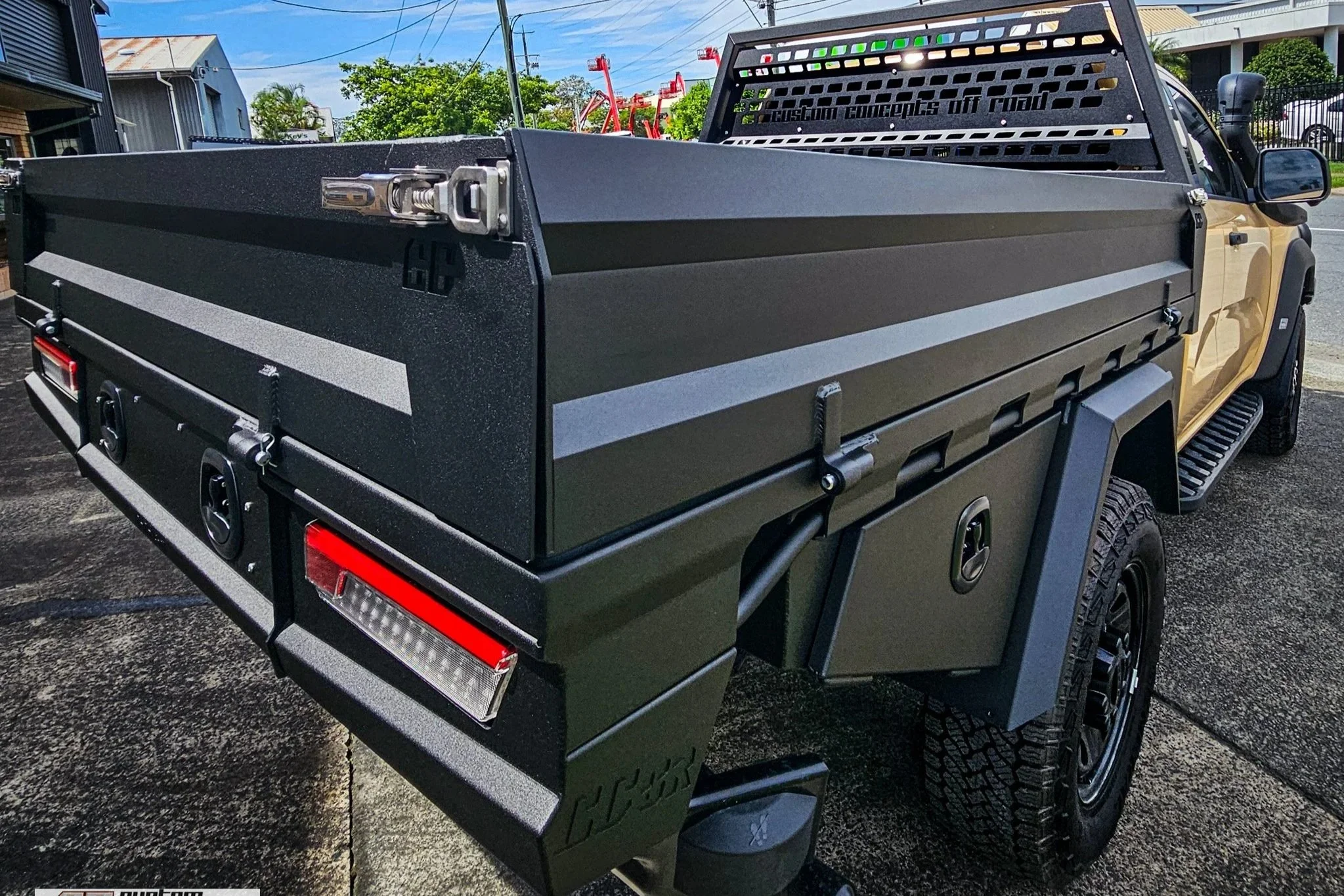
Powder Coated Tradie Tray on a Ford Super Duty
6. Surface Finishing Options
Once fabrication is complete, the tray moves into finishing.
Customers can choose between:
Raw aluminium finish (clean, industrial look)
Powder-coated finish (added protection and refined appearance)
Powder coating is completed through trusted local partners to ensure durability and consistency, particularly important for trays exposed to harsh Australian environments.
7. Final Quality Check & Fitment Readiness
Before leaving the workshop, every tray undergoes a final inspection.
This includes checking:
Structural integrity
Fit and alignment
Overall finish quality
Only once everything meets our standards is the tray approved for installation or delivery.
Built for Work, Touring, and Long-Term Use
A well-built aluminium tray isn’t just about appearance it’s about performance over time.
At CCOR, our fabrication process is designed to deliver trays that:
Handle daily trade demands
Support touring and off-road setups
Maintain strength and reliability long-term
If you’re considering a custom aluminium ute tray in Brisbane or South East Queensland, understanding how it’s built is just as important as what it looks like.
Looking for a Custom Aluminium Tray?
If you’re planning a build and want something designed around how you actually use your vehicle, get in touch with the team at CCOR.
We build aluminium trays for tradies, fleets, and touring setups. All designed for Australian conditions and real-world use.